
Last updated November 16, 2026
 Wrought iron
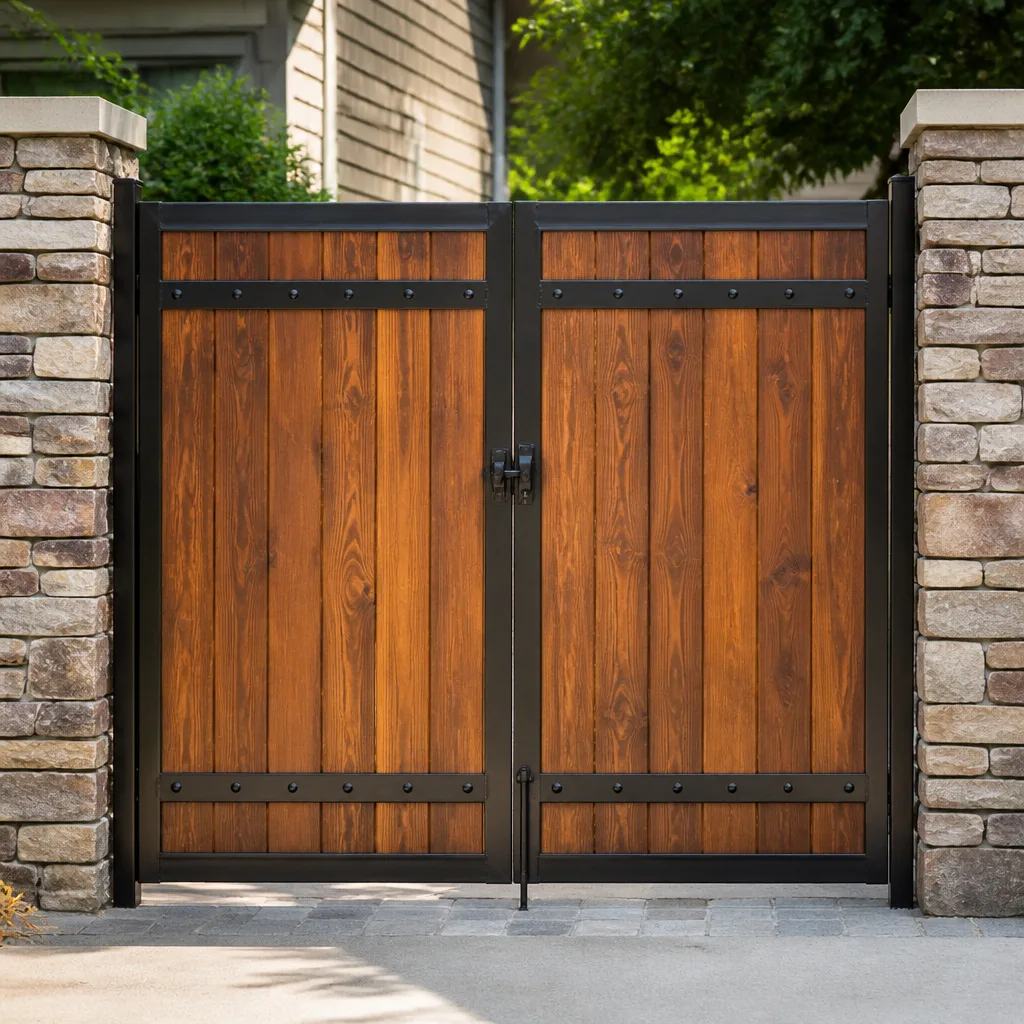 Wood & steel frame
 Farm & ranch
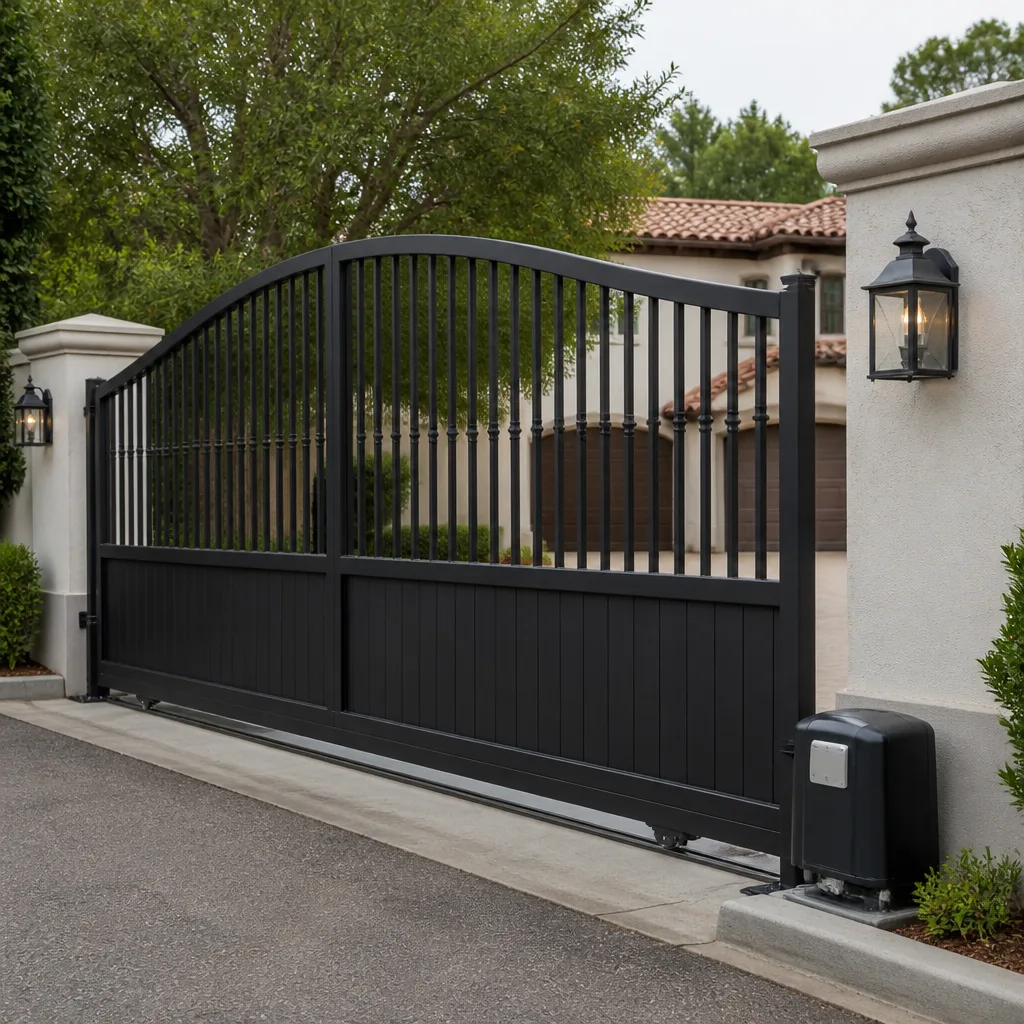 Sliding driveway gates
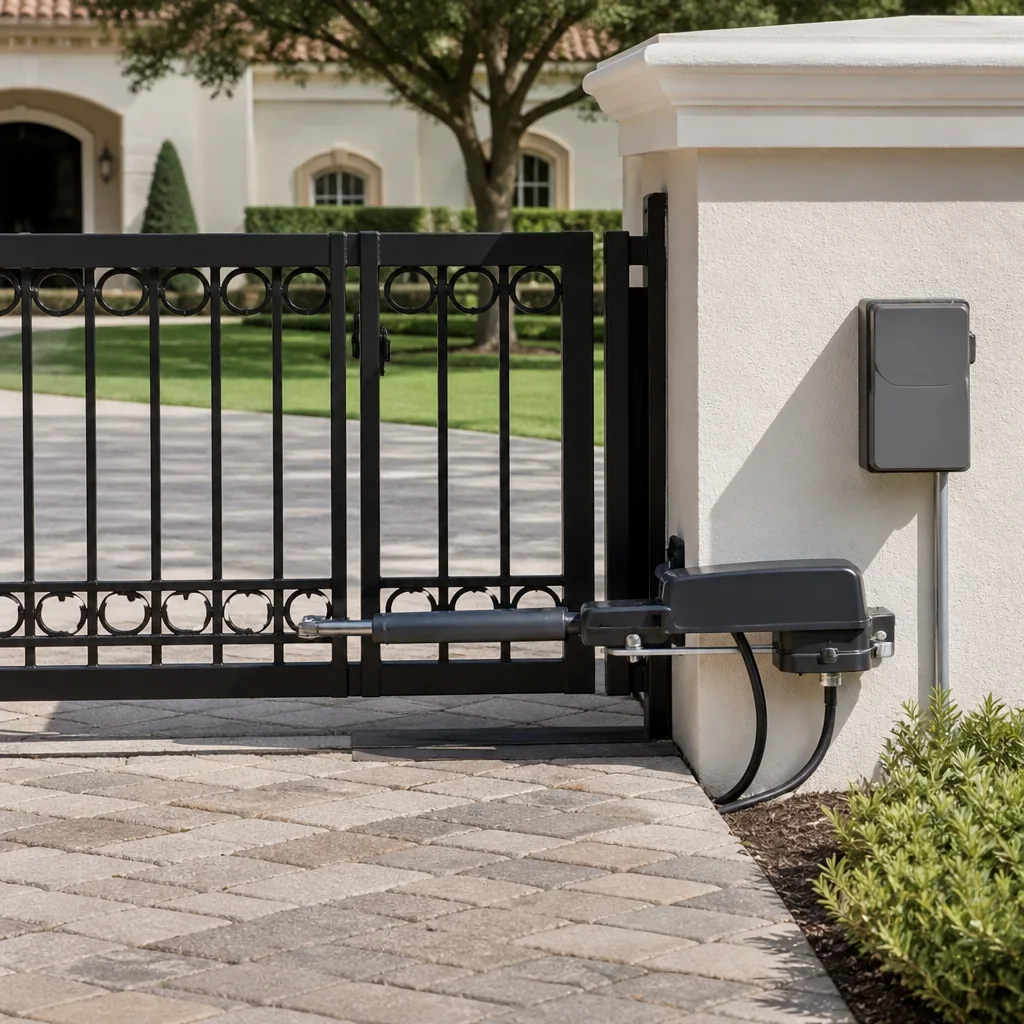 LiftMaster operators
Free on-site gate assessment - hinges, posts, and your LiftMaster or Nice gate operator checked before anything is quoted
The assessment is free and the quote is the invoice.
Get your free estimateSeasonal Gate Repair Care for Glendale: Year-Round Homeowner’s Guide
In Glendale, your gate experiences more thermal stress in a single July week than a gate in Seattle faces in an entire year. Most homeowners still plan gate maintenance on a generic quarterly schedule borrowed from milder climates, which means they spend the hot months reacting to failures instead of preventing them. This guide lays out a calendar built for Glendale’s actual weather: a punishing dry summer, a short violent monsoon, and two long mild stretches that are the best windows you’ll get all year for structural work and motor service. You’ll learn what fails first, when to test what, and how to time repairs so your gate never leaves you locked out or standing open.
Quick Answer
Seasonal gate care in Glendale follows two failure seasons (summer heat and monsoon) bracketed by two mild windows (spring and winter). The essentials: prep motors, control boards, and photo-eyes before the heat peaks in April and May; waterproof and test safety reverse before monsoon arrives in late June; inspect tracks, foundations, and alignment after the storms pass in September; and schedule structural repairs, repainting, and motor overhauls during the mild November-through-February window when your gate can be offline without disrupting daily life.
Styles & brands we work with
- Wrought iron
- Wood & steel frame
- Farm & ranch
- Sliding driveway gates
- LiftMaster operators
Table of Contents
- Why a Glendale Calendar Beats a Generic One
- Pre-Summer Prep (April-May): Before the Heat Peaks
- Monsoon Readiness (Late June): Water, Drainage, and Safety Reverse
- Post-Monsoon Reset (September): Silt, Foundations, and Photo-Eyes
- The Winter Opportunity Window (November-February)
- Adjusting Motor Force Settings for the Season
- A Simple Monthly Walk-Around Check
- Repair or Replace? Timing a New Gate Installation
Why a Glendale Calendar Beats a Generic One
Gate systems don’t fail randomly. They fail when a component is pushed past what it was designed for, and in Glendale the thing pushing hardest is temperature. Sustained stretches over 100°F do real work on the parts most homeowners never think about: the operator’s control board, the motor windings, the battery backup, and the plastic and rubber on every sensor and seal. A general quarterly schedule treats every month the same. Glendale doesn’t work that way. You get intense dry heat from roughly May through September, a concentrated monsoon window in late summer, and long mild stretches on either side.
That shape matters because different components fail on different curves. Mechanical wear on tracks, rollers, and hinges is steady and year-round. Heat damage to electronics and motors is concentrated and predictable. Water intrusion and ground movement are seasonal and abrupt. If you plan maintenance around a temperate calendar, you’re servicing electronics in the wrong month and inspecting foundations before the ground has even moved. Build the calendar around what Glendale actually does to gates and you stop chasing emergency calls.
The two failure seasons and the two opportunity windows
- Failure season one – dry heat: roughly May through September. Electronics, motors, batteries, and seals take the hit.
- Failure season two – monsoon: the late-summer storm window. Water intrusion, drainage problems, and sudden ground movement.
- Opportunity window one – spring: the mild weeks before the heat builds. Ideal for pre-season servicing and adjustments.
- Opportunity window two – winter: November through February. Mild enough to take a gate offline for structural work, painting, or a motor overhaul without disrupting your routine.
Our technicians have up to 12 years of experience across both mechanical and automated systems, and this is the calendar we’d hand any Glendale homeowner. For a broader look at how we approach the full range of gate work, see Gate Repair Glendale.
Pre-Summer Prep (April-May): Before the Heat Peaks
April and May are when you spend a little time so July and August don’t spend it for you. The goal is to find and fix the components that heat will break first, while the weather is still forgiving enough to work on them comfortably. This is the single most valuable maintenance window in Glendale, because electronics fail in the heat and the only real way to prevent that is to address heat-sensitive parts before temperatures climb.
What fails first under sustained heat
- Control boards: the logic board inside the operator box is the most heat-sensitive component. Loose connections, cracked solder joints, and dust buildup all get worse as internal temperatures rise.
- Motors and windings: the motor runs hotter when it’s fighting a slightly binding gate, and a motor already near its thermal limit in July has no headroom. Free up the gate’s movement now.
- Batteries: backup batteries in automated operators degrade faster in sustained heat. If your gate relies on battery backup during power interruptions, spring is when you want it tested and, if needed, replaced.
- Seals, gaskets, and plastic housings: UV and heat dry out and crack every rubber and plastic part over time. Inspect the control box lid seal and any exposed wire sheathing.
- Photo-eyes and sensors: heat can shift lens alignment and stress mounting hardware. A sensor that works today can drift out of alignment by August.
A pre-summer service order that works
- Clear the gate’s travel path and lubricate moving mechanical parts so the motor isn’t working harder than it should.
- Open the operator housing and check for dust, insect nests, and loose terminal connections. This is a job for a trained technician on live equipment, not a homeowner.
- Test the manual release so you know the gate can be moved by hand if the operator fails.
- Test the battery backup, if your system has one, under load.
- Confirm photo-eye alignment and clean the lenses.
- Check that the gate moves freely with the operator disengaged. Any binding here becomes a motor failure later.
For brands like LiftMaster and DoorKing, the control board layout and battery testing points differ, which is why we lead with the specific brand on your gate rather than a generic checklist. If your system is already showing symptoms, a dedicated electric gate repair visit in spring is cheaper than replacing a motor in August.
Monsoon Readiness (Late June): Water, Drainage, and Safety Reverse
Late June is your monsoon prep deadline. Glendale’s monsoon delivers sudden, heavy rain after months of dry heat, and that combination is worse for gates than steady rain would be. Cracks that opened during the dry season let water in. Dust and silt that built up over the dry months become mud. And the ground itself, baked hard over the summer, can shift and settle quickly once it takes on water. You want every water-exposed part of your gate system checked before the first real storm, not after.
The three monsoon priorities
- Waterproof the control box penetrations. This is where most water intrusion starts. Every wire that enters the operator housing passes through a penetration, and if the seal, grommet, or conduit fitting around it has dried, cracked, or pulled loose, water runs straight down the wire into the control board. Check each entry point, reseal where needed, and confirm the box lid gasket still seats.
- Verify drainage around the gate posts. Water pooling at the base of a post softens the ground, speeds settling, and can undermine the footing over time. Look at the grade around every post and confirm water flows away from the gate, not toward it. Clear any debris that could dam up drainage during a storm.
- Test auto-reverse sensitivity. A gate’s safety reverse is the mechanism that stops and reverses the gate when it meets an obstruction. It needs to be tested before storm season, not during. Run the test per your operator’s instructions, and note that sensors misaligned or stress from heat are common reasons a reverse test fails. A gate that fails to reverse is a genuine safety hazard, especially on a slide gate that could crush or trap.
Do not adjust the safety reverse settings yourself beyond the routine test. Safety reverse and the low-voltage wiring that supports it are load-bearing safety components, and a wrong setting turns a feature into a failure. That’s real gate repair work, and it’s why we keep automation and low-voltage diagnostics as a core service rather than an add-on. If the reverse test fails, call a specialist before the storms arrive.
Post-Monsoon Reset (September): Silt, Foundations, and Photo-Eyes
Once the monsoon passes, the gate system usually looks fine and isn’t. Storms leave behind effects that don’t show up until weeks later: silt packed into tracks and rollers, posts that have shifted slightly as the ground settled, and photo-eyes knocked out of alignment by wind-blown debris or ground movement. September is the reset month. This is a systematic inspection, not a quick glance, and it’s the second-best window of the year for catching problems early.
What to inspect after the storms
- Silt-clogged tracks: on slide gates, grit and silt work into the track and accelerate wear on rollers and guides. Clean and inspect the full track length. On swing gates, check hinges and any ground track segments.
- Shifted foundations: a gate post that has moved even slightly changes the geometry of the whole gate. Watch for a gate that has become harder to open, drags on one side, or no longer latches cleanly.
- Photo-eye misalignment: knock-downs from debris or slight mounting shifts cause intermittent stopping, which is a classic post-monsoon symptom. Realign and retest.
- Water intrusion: recheck the control box after the rains. A board that took on moisture may work now and fail in a few weeks.
- Corrosion and finish damage: fasteners, welds, and painted surfaces show stress after a wet season. Note anything that needs treatment when the winter window opens.
How ground movement shows up on an automated gate
The tricky part is that ground movement rarely announces itself. It shows up as a gate that suddenly stops short, reverses for no obvious reason, or needs the remote pressed twice. On an automated system these symptoms often get misread as a motor or control board fault when the real cause is a slightly shifted post changing the load the motor sees. We diagnose from the whole system – the gate, the posts, the operator, and the sensors – because a brand-agnostic look catches what a parts-swap misses. Premium operators from Elite and Mighty Mule have different sensitivity and stall-detection behavior, so knowing your brand shapes the answer.
The Winter Opportunity Window (November-February)
Glendale’s mild winters are the best gates-repair weather of the year, and most homeowners waste it. The temperatures are kind to technicians and materials, moisture is low, and – the big one – taking your gate offline for a day or two in January disrupts almost nothing. That’s the window for the jobs you can’t do comfortably in the heat.
What to schedule November through February
- Structural repairs: hinge replacement, weld repair, post straightening, and panel work all go smoother in mild weather, and finish materials cure better.
- Repainting and finish restoration: paint applied in mild, dry conditions adheres and cures properly. Same prep, better outcome, longer life.
- Motor overhauls: a motor that needs a deeper service or replacement can be handled without the time pressure of a hot-weather breakdown.
- Control board and wiring work: the electronics have had a full season to show their weaknesses; winter is when you fix them with time to spare.
Why not wait for a failure
A gate works best when you don’t need it repaired. Scheduling winter work means the gate is ready before the heat returns, which is exactly the point of a seasonal calendar. If you’re considering upgrades rather than just repairs, this is also the ideal time to plan new equipment, since an installation is measured, ordered, and scheduled rather than rushed. If you’re thinking about a full gate repair evaluation or a new install, the winter window gives you the most room to do it right.
Adjusting Motor Force Settings for the Season
Force settings are the most overlooked adjustment on any automated gate, and in Glendale’s climate they’re the most consequential. The operator’s force setting controls how much push the motor applies before it considers the gate obstructed and reverses. Most operators are set once at installation and never touched again. That’s a mistake here, because the same setting that works smoothly in January will over-stress the motor in August.
Why temperature changes the equation
Heat makes mechanical parts expand and lubricants thin out; cold does the opposite. A gate that moves freely in winter can bind slightly in high summer, and a gate that binds slightly asks the motor for more force. If the force setting was dialed in for mild weather, the motor works harder than it should through the hot months, which shortens motor life and can trip the operator’s stall or over-torque protection. Getting force right for the season is not a universal setting – it depends on your specific operator, your gate’s weight and design, and how it behaves at different temperatures.
Adjusting force safely
- Have a technician check the gate’s mechanical freedom first. If it binds, fix the binding before touching force settings – raising force to compensate for a dragging gate is the wrong fix and hides a real problem.
- Set force against the manufacturer’s spec for your operator, accounting for the season. Different brands use different adjustment methods and safety limits.
- Retest safety reverse after any change. Force and reverse sensitivity are linked; changing one affects the other.
- Recheck the setting at the season change, not just once a year.
Never raise force settings to force a dragging gate to move. That’s the classic path to a burned-out motor, and it defeats the operator’s protective features. Force adjustment belongs with a specialist who knows the operator and the safety reverse it’s tied to.
A Simple Monthly Walk-Around Check
You don’t need to become a technician to keep your gate healthy. A ten-minute walk-around once a month catches most developing problems early enough to fix cheaply. Do this regardless of the season, and pay closer attention in July, August, and after any storm.
- Watch a full cycle. Open and close the gate completely and watch it start to finish. Listen for new noises, look for hesitation, jerking, or a change in speed at any point.
- Test the safety reverse. Confirm the gate reverses when it encounters an obstruction. On an automated gate, test the photo-eyes by passing your hand through the beam.
- Look at the whole perimeter. Check the track or the hinge line for debris, silt, or anything that could cause binding. Check that the gate swings or slides without scraping.
- Check posts and hardware. Look for loose bolts on hinges or mounting brackets and note anything that seems to have moved or settled.
- Glance at the control box. Confirm the lid is sealed and dry. If you see moisture or insect activity, that’s a call-the-specialist item.
Write down anything that concerns you rather than trying to fix it. The walk-around is for spotting, not for adjusting. If something looks off, a specialist can diagnose it properly, and knowing the brand on your gate – whether it’s DoorKing access control, a LiftMaster residential operator, or a Mighty Mule DIY-style system – means the technician arrives prepared for the system in front of them.
Repair or Replace? Timing a New Gate Installation
Most gates that get replaced didn’t need replacing. They needed repair and a correct diagnosis. That’s why we lead with repair first: fix what’s there before recommending a replacement. The seasonal calendar is your ally here, because downtime in the winter window lets you make the decision without pressure. A gate that seems to be failing in August might be a motor that’s over-stressed by a force setting that was never tuned, a binding that a proper lubrication and adjustment solves, or a control board issue – all repairable.
When repair stops being the right call
- The gate is structurally compromised: the frame, hinges, or posts are bent or corroded beyond safe repair, or the gate can’t be made stable.
- The operator is obsolete and parts aren’t available: some older systems reach a point where repair parts simply don’t exist.
- Safety components can’t be made reliable: a gate whose safety reverse and photo-eyes can’t be made to test reliably is a safety issue that needs resolution.
If a replacement or new installation is genuinely the right call, remember that the work is measured, ordered, and scheduled – not a same-day fix. A proper free measure and a written, itemized price comes first, and you choose the timing. That’s the difference between deciding on your calendar and deciding under duress. If you’re weighing options, start with a proper electric gate repair diagnosis.
Common Mistakes to Avoid
- Running a temperate-climate maintenance schedule. Generic quarterly care misses both Glendale failure seasons. Build your calendar around dry heat and monsoon, not winter and spring.
- Adjusting force settings once and never again. The setting that’s right in January can over-stress the motor in August. Force needs seasonal attention, ideally tied to a proper inspection.
- Raising force to fix a dragging gate. If the gate binds, fix the binding. Higher force just hides the problem and burns out the motor faster.
- Skipping the pre-monsoon auto-reverse test. Testing safety reverse before the storms is not optional. A gate that fails to reverse is a safety hazard.
- Ignoring a shifted post as a motor problem. On an automated gate, a “motor fault” that recurs is often a post that moved slightly. Diagnose the whole system.
- Waiting for failure instead of using the winter window. If you wait until summer, a repair becomes an emergency. Winter is when repairs are easiest and least disruptive.
- Assuming any gate company can handle your brand. If the company can’t work your operator or its control board, you’re being guessed at. Ask what brands they know before they show up.
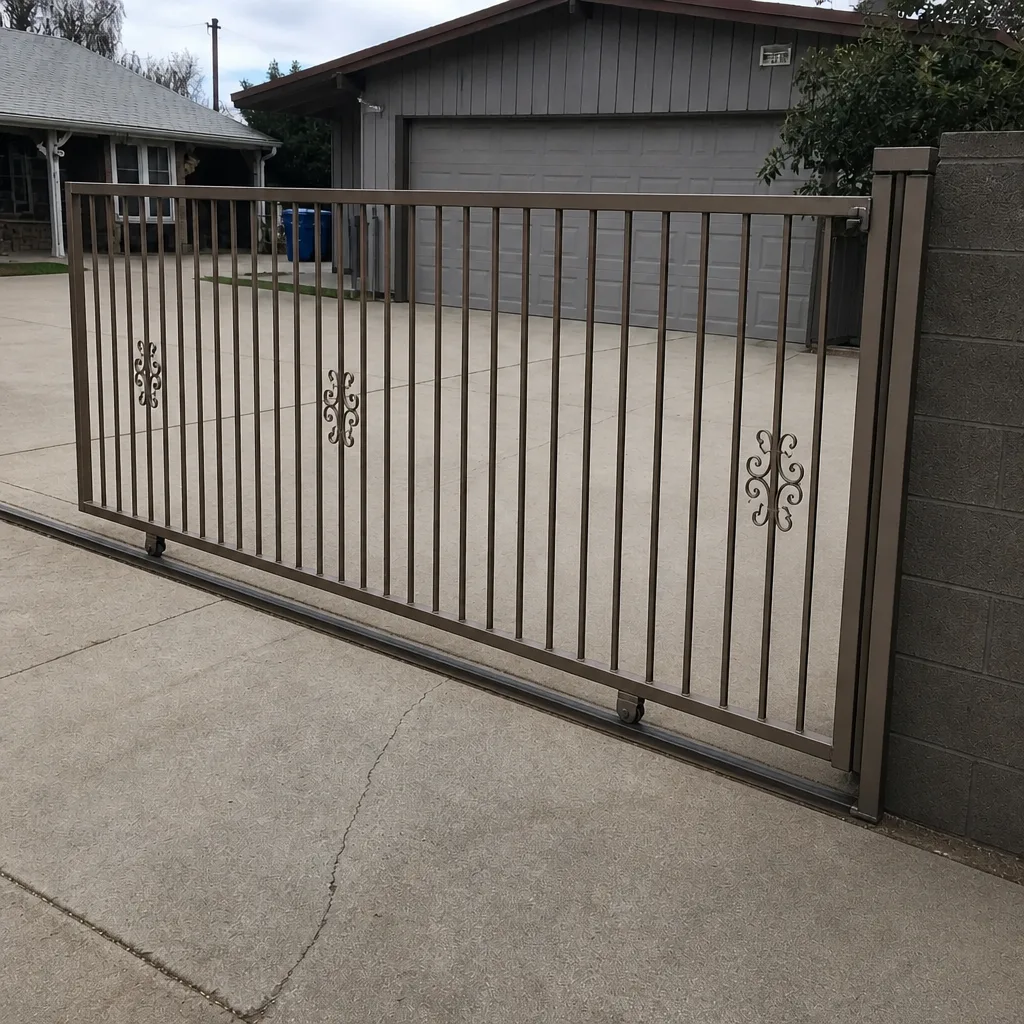
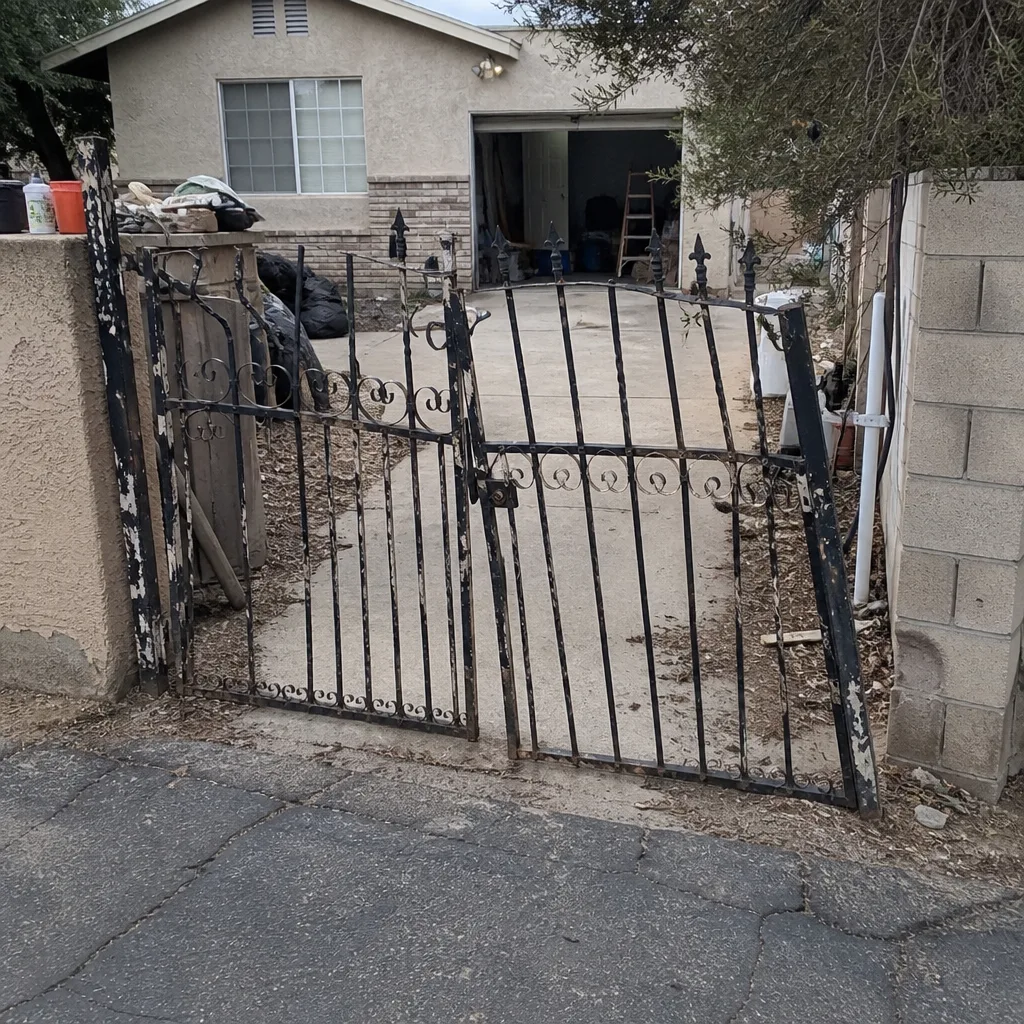
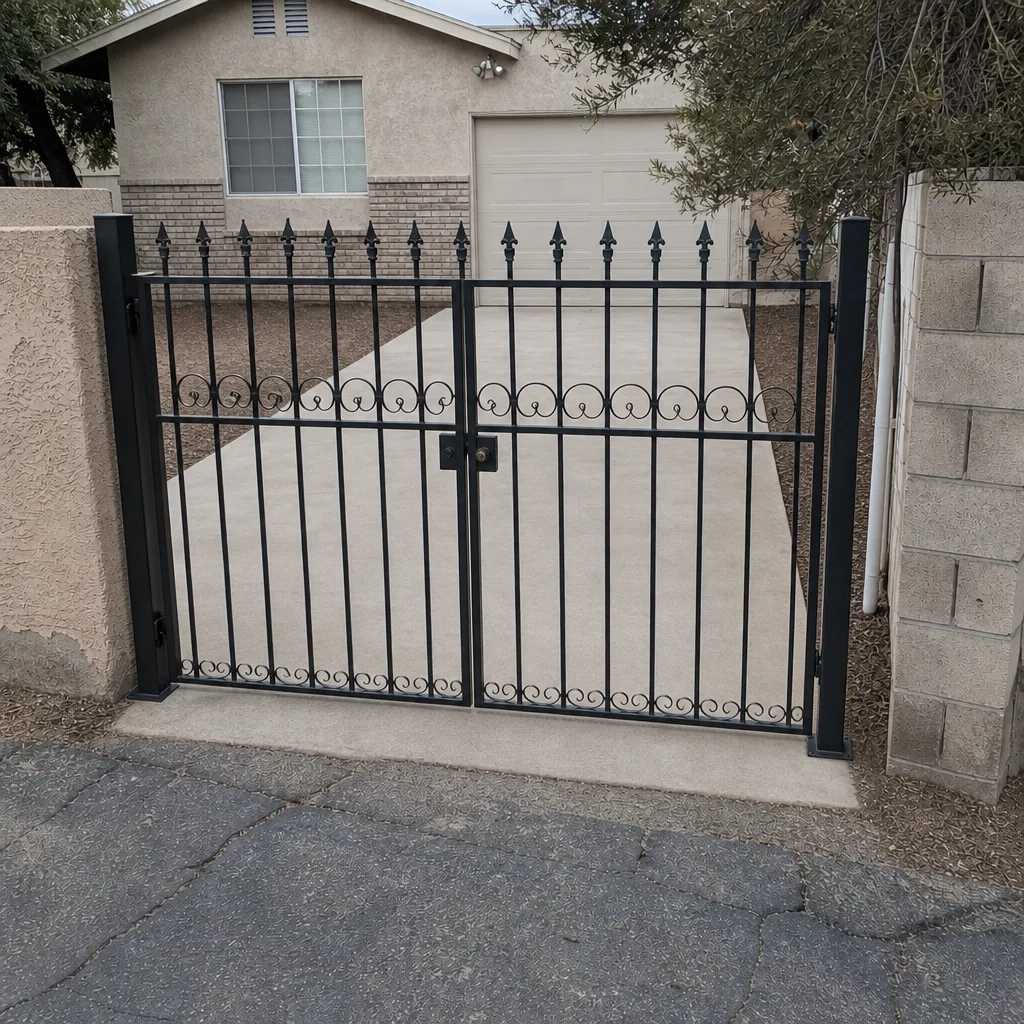
See the difference
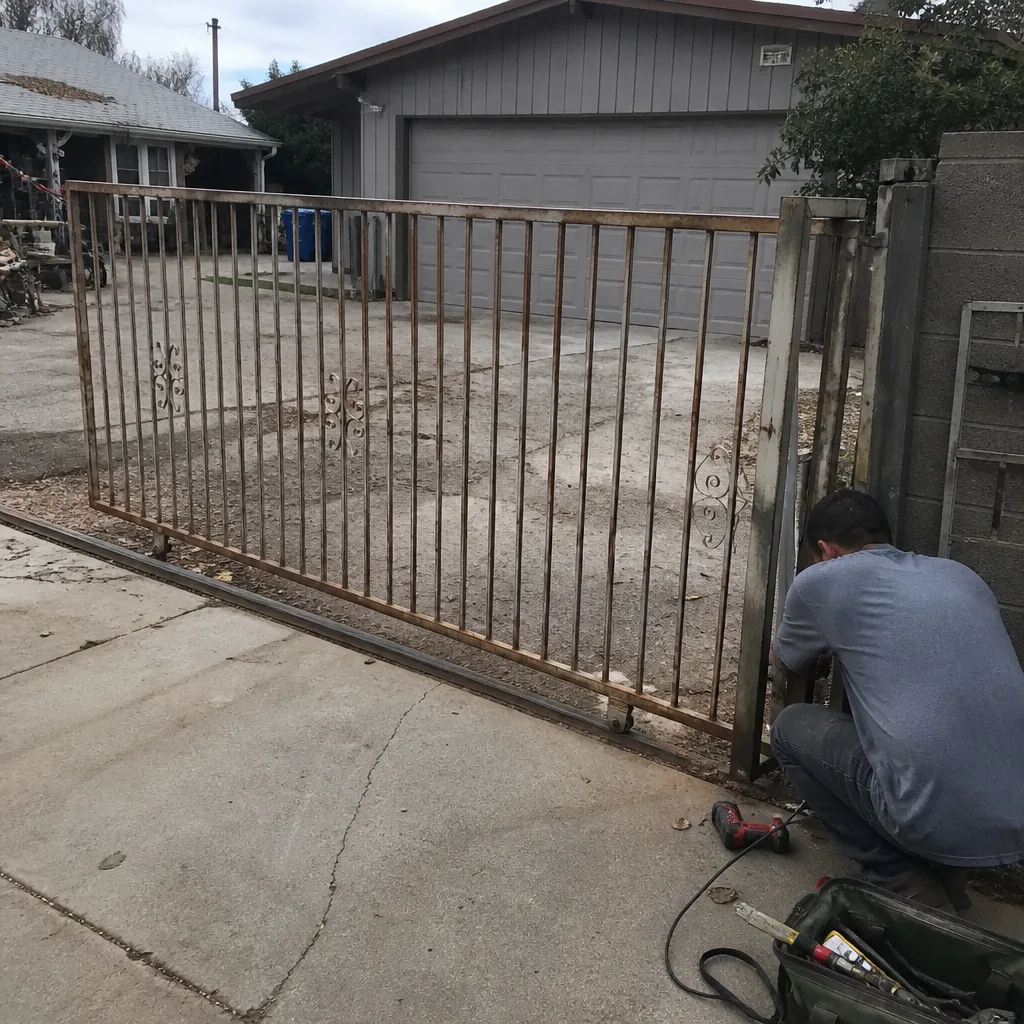 Before
 After
 Before
 After
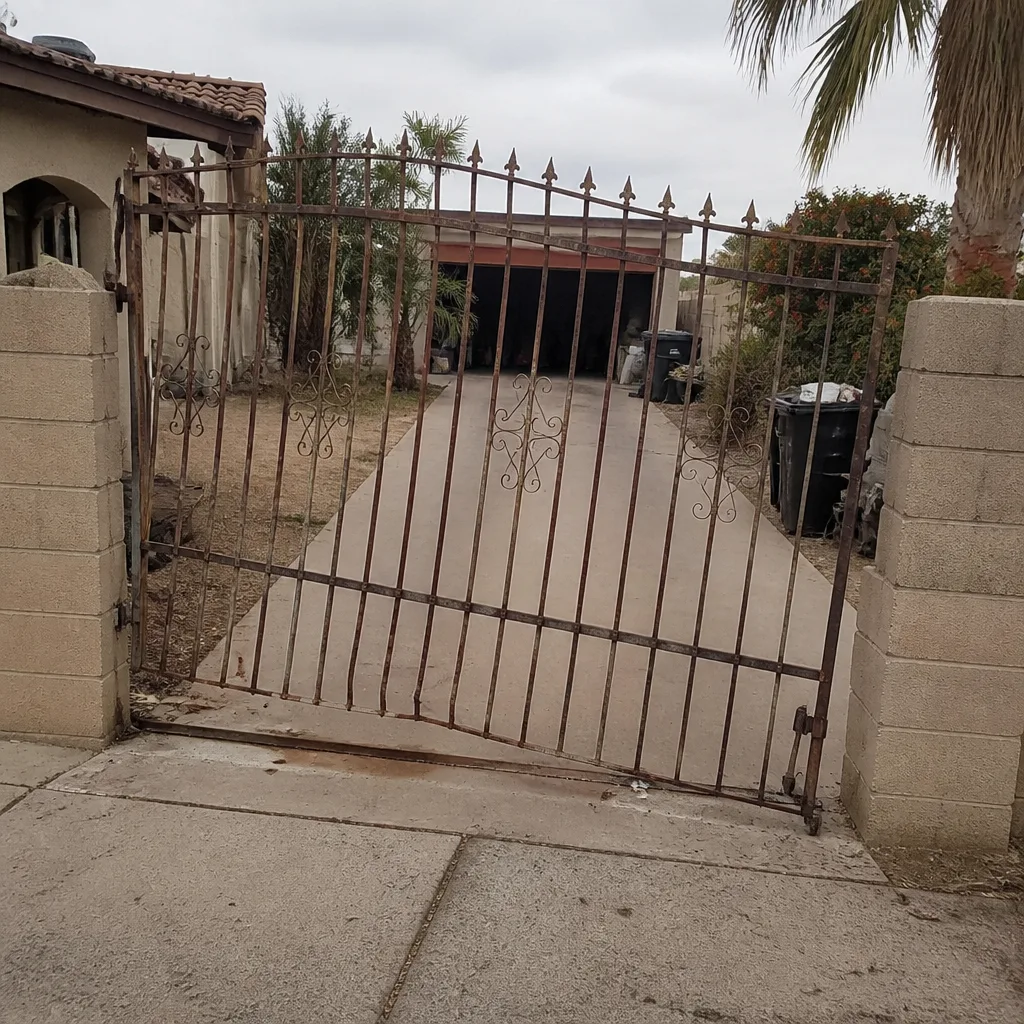 Before
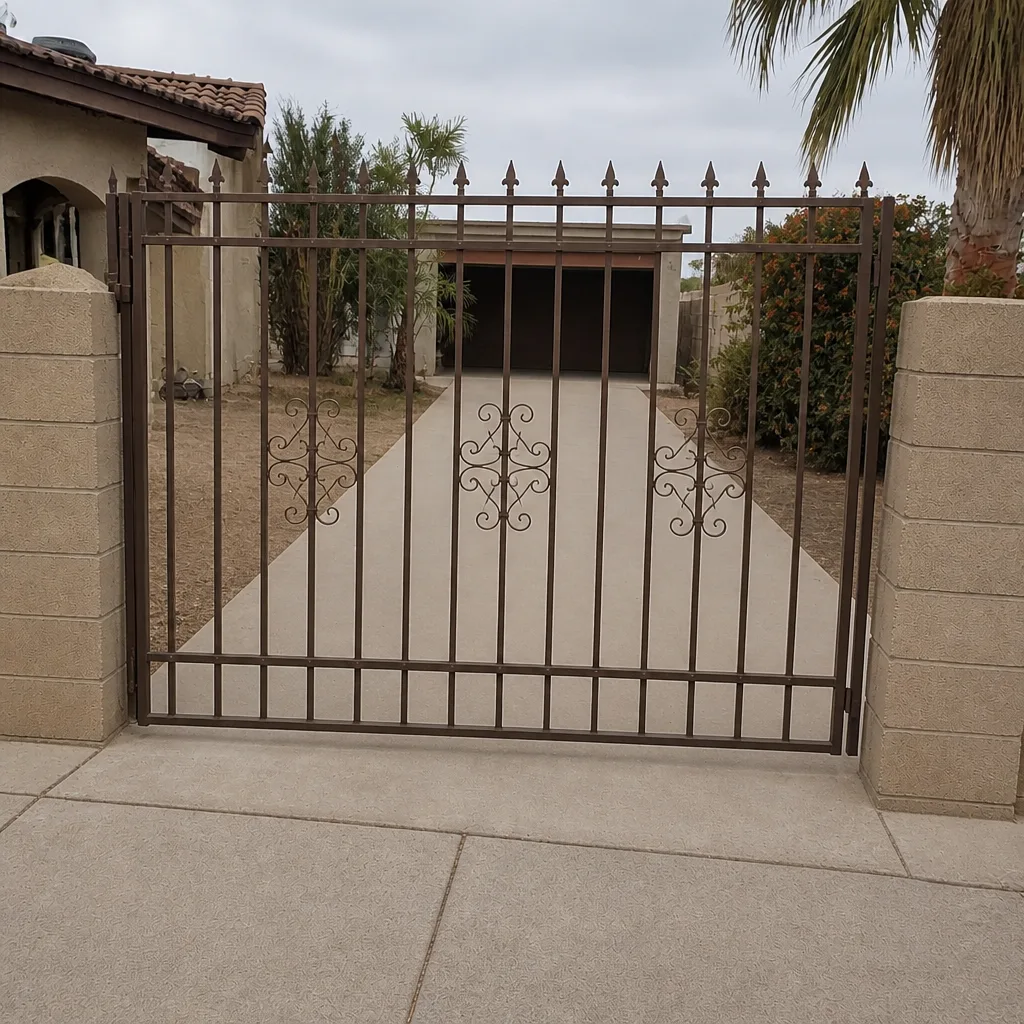 After
When to Call a Professional
Call a specialist when the work involves safety reverse, force settings, low-voltage wiring, or live electrical components – those are genuinely dangerous to adjust without training, and a wrong setting turns a safety feature into a failure. Call a professional when a gate suddenly stops or reverses for no clear reason, when a post or hinge looks like it moved, after any storm that damaged the gate, or when your safety reverse test fails. Also call when the gate drags, when the operator trips during heat, or when you’re considering a new install. Gate Repair Glendale serves Glendale with free estimates, and we work your brand from the motor to the control board across nine major operator brands.
Frequently Asked Questions
Service a gate at least twice a year in Glendale – once in spring before the heat builds and once in fall after the monsoon – plus an after-storm inspection when severe weather hits. The two-service cadence lines up with the two failure seasons, so you’re addressing heat-sensitive components before summer and catching water and ground-movement damage before it becomes a bigger repair.
Sustained heat is the most common cause of summer gate failures, and it hits the most heat-sensitive parts first: the control board, the motor’s wiring and windings, and the backup battery. A gate that’s binding even slightly asks the motor for more force, and a motor that’s already near its thermal limit in July has no headroom left. A pre-summer inspection addresses these before they fail.
Monsoon damage typically shows up as silt-clogged tracks, knocked-down photo-eyes, or a slightly shifted post that changes the gate’s alignment and load. Water can also get into the control box through a penetration whose seal worked loose. These often appear weeks after the storm, so a September post-monsoon inspection is the right time to catch them. Call (855) 632-1674 and we’ll diagnose it.
No – force settings should be adjusted by a trained technician, because they’re tied directly to the safety reverse feature and a wrong setting can turn a safety mechanism into a failure. Worse, raising force to compensate for a dragging gate hides a mechanical problem and shortens motor life. A specialist will fix the underlying binding first and set force to the manufacturer’s spec, then retest safety reverse.
Repair is almost always the right starting point, and a specialist can diagnose what’s actually failing before anyone recommends a replacement. A gate that seems to need replacing may need a corrected force setting, a lubrication and adjustment, or a control board fix – all repairable. Replacement makes sense when the gate is structurally compromised beyond safe repair or the operator is obsolete with no available parts. If a new install is genuinely the right call, it’s measured, ordered, and scheduled with a free measure and written price first.
November through February is the best window for structural repairs, repainting, and motor overhauls in Glendale. The weather is mild, moisture is low, finish materials cure better, and downtime is least disruptive. Scheduling the bigger jobs in the winter keeps your gate ready for the heat and storms rather than leaving you to react when something fails at the worst time.
The Bottom Line
Glendale doesn’t have four seasons for gate care – it has two failure seasons and two opportunity windows. Prep for heat in April and May, waterproof and test safety reverse in late June, reset after the monsoon in September, and use the mild winter for structural work, painting, and motor overhauls. Tune motor force to the season, run a simple monthly walk-around, and never raise force to compensate for a dragging gate. Build the calendar around what Glendale actually does to gates, and you’ll spend the year preventing failures instead of chasing them.
Contact
If your gate needs a seasonal service, a diagnostic, or you’re planning a new installation, we’re ready to help. Call (855) 632-1674 for a free estimate. We answer 24/7. Fast dispatch from 7am to 7pm, Sunday through Friday. Our skilled technicians work across nine major gate and operator brands, and we’ll diagnose what your gate actually needs before recommending anything.
Written by the team at Gate Repair Glendale.