
Last updated November 16, 2026
 Wrought iron
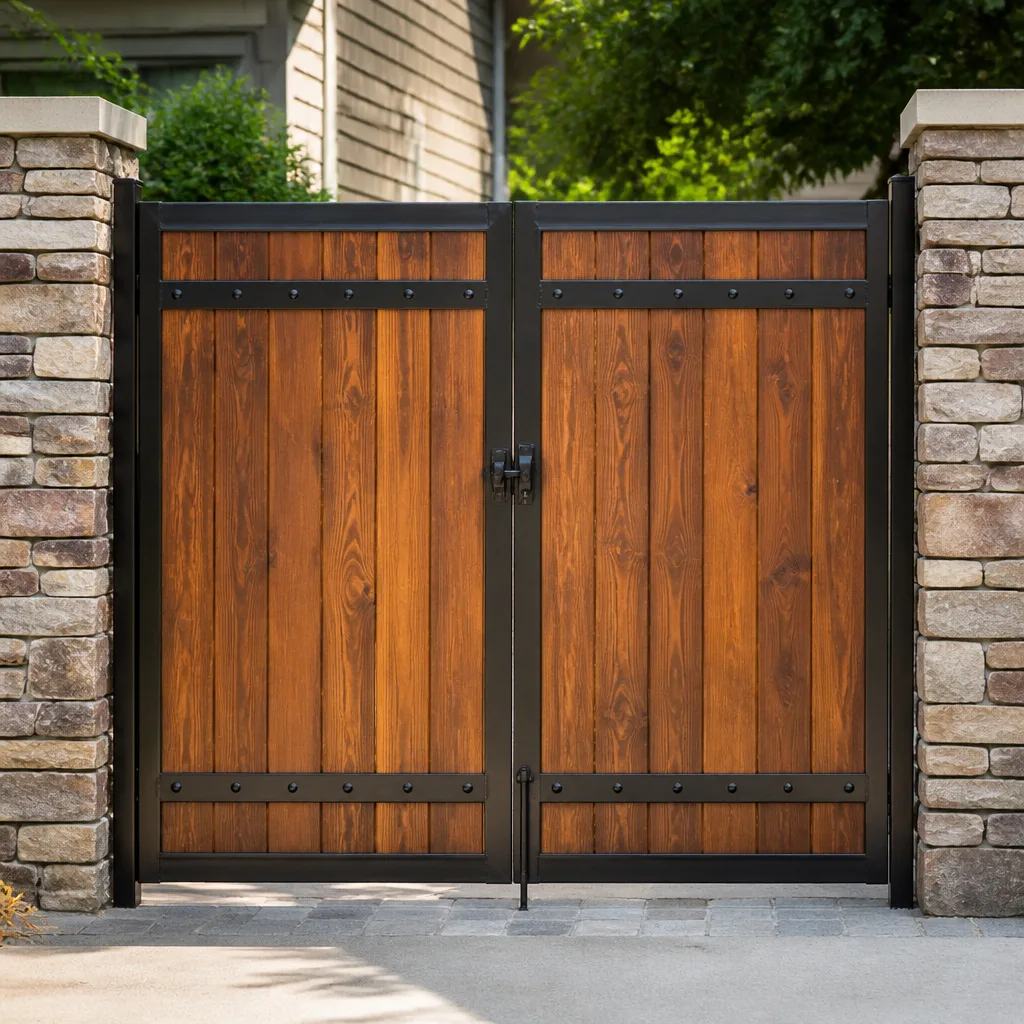 Wood & steel frame
 Farm & ranch
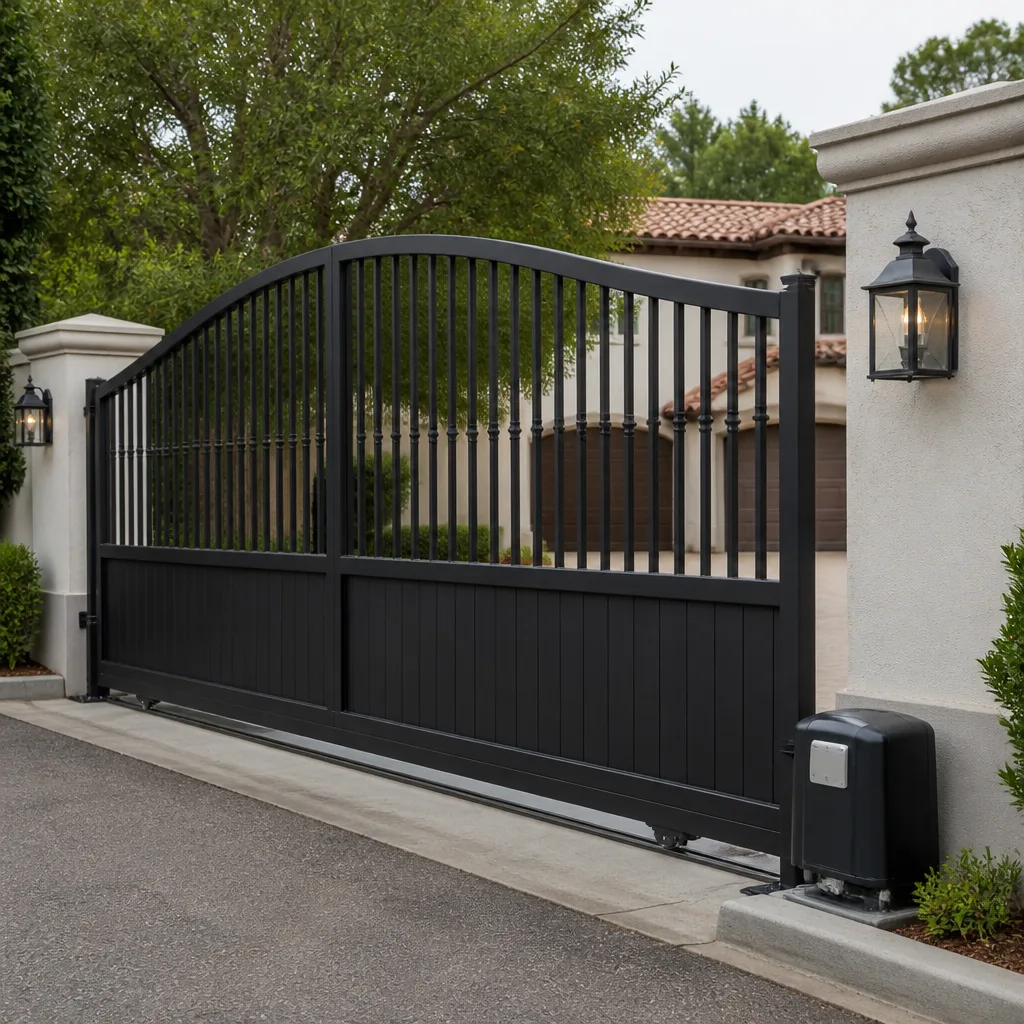 Sliding driveway gates
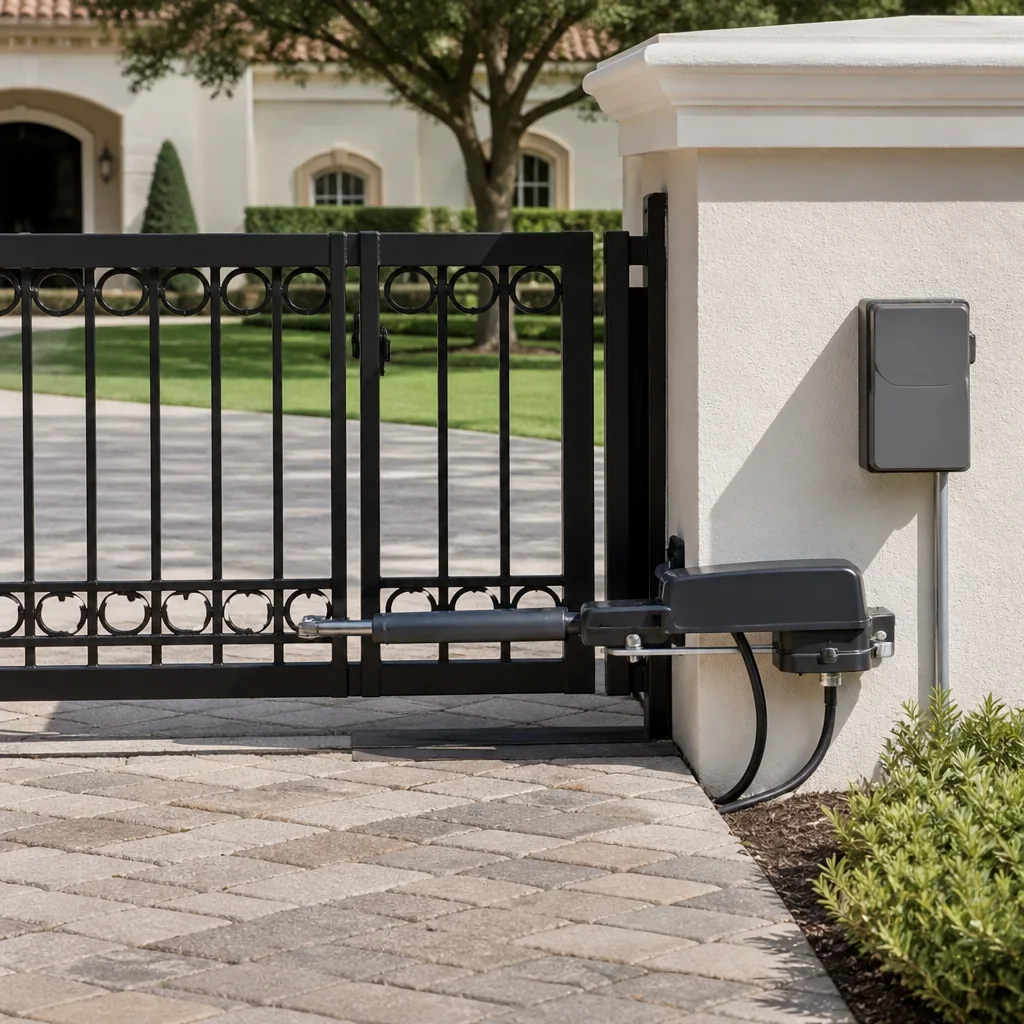 LiftMaster operators
Free on-site gate assessment - hinges, posts, and your LiftMaster or Nice gate operator checked before anything is quoted
The assessment is free and the quote is the invoice.
Get your free estimateGate Repair Permits, Codes & Inspections in Glendale, AZ: What You Need to Know
Most homeowners in Glendale assume gate work never needs a permit. They’re usually wrong about one specific slice of it, and the mistake stays invisible for years. A motor swap and new low-voltage run look like simple repair from the driveway, but when electrical work connects to a structure or a new circuit gets created, the City of Glendale treats it differently than a hinge replacement. That distinction matters most at resale, when an inspector or a buyer’s agent starts asking for paperwork you never knew existed. This guide walks through where the line sits, how HOA overlays in Glendale subdivisions add a second layer of approval, what a Certificate of Completion actually does for you, and the real process for retroactively permitting gate work a previous contractor left unpermitted. By the end you’ll know exactly which gate jobs need a permit and which ones don’t.
Quick Answer
In Glendale, AZ, routine gate repair (fixing a hinge, adjusting a track, replacing a roller or a remote battery) generally does not require a permit. Gate work that crosses into alteration or new installation (adding a new operator with a dedicated electrical circuit, changing post footings, altering gate height, or running new access-control wiring) typically does require a permit and inspection under City of Glendale development and building codes, plus HOA architectural approval in planned communities. When in doubt, ask the city’s building department before work starts. The paperwork is far cheaper than a stalled escrow.
Styles & brands we work with
- Wrought iron
- Wood & steel frame
- Farm & ranch
- Sliding driveway gates
- LiftMaster operators
Table of Contents
- When Does Gate Work Cross From Repair Into a Permit?
- How Do HOAs in Glendale Subdivisions Add a Second Layer?
- Low-Voltage vs. Line-Voltage Wiring: How Each Is Treated
- What a Certificate of Completion Means for Your Gate
- Resale and Disclosure: Why the Paper Trail Matters
- How to Retroactively Permit Unpermitted Gate Work
- What a Gate Inspection Actually Looks At
- Glendale Context: Heat, Growth, and Older Subdivisions
When Does Gate Work Cross From Repair Into a Permit?
The threshold question in Glendale isn’t “how big is the job.” It’s whether the work touches the structure, the electrical system, or the property line. A technician who adjusts a sagging gate arm, replaces a worn hinge, or resets a rolling gate back onto its track is doing maintenance (no permit). A technician who cuts into a stucco wall to mount a new operator, pours a new post footing, or adds a dedicated breaker for an operator has crossed into alteration, and that triggers permit review. The line is drawn by what’s being modified, not by the size of the invoice.
Here’s how the split tends to run in our experience on gates across Glendale:
- Repair only, usually no permit: hinge and roller replacement, track realignment, operator reset or swap on an existing wired circuit, photo-eye alignment, remote pairing, control-board replacement, safety-edge swap on existing wiring.
- Alteration, typically permit: new electrical circuit dedicated to a gate operator, new post installation or post footing changes, gate height changes, widening or narrowing a gate opening, adding a pedestrian gate where there wasn’t one, or rerouting access-control wiring through a wall or back to the panel.
- New installation, typically permit: a brand-new automatic swing or slide gate, a new operator system with a new power run, or an access-control/keypad system that ties into a circuit.
The tricky middle case is an operator swap. If you replace a LiftMaster or a FAAC unit and reconnect on the exact same circuit that already serves the gate, most Glendale permit desks treat that as repair. If the new operator needs a dedicated 20-amp circuit (many slide operator models do), that’s new electrical work and a permit generally applies. This is the exact distinction homeowners miss, and it’s why the answer changes the moment a contractor says “we’ll need to run power.”
Whether a specific job needs a permit is a question for the City of Glendale building department, not for us. Call them before work, tell them exactly what’s being changed, and get the answer in writing if you can. If you’d rather start with a diagnosis so you know what the job actually is before you call the city, we can help with gate repair and walk you through the scope.
How Do HOAs in Glendale Subdivisions Add a Second Layer?
In Glendale, city permits and HOA approval are two completely separate gates, and most planned communities require both. City code governs the building (safety, electrical, structural). The HOA’s architectural review committee governs the appearance (height, color, materials, visibility of the motor housing from the street, and sometimes the brand of operator because of noise). You can have a fully permitted gate that still violates your community’s design guidelines, and the HOA can require you to modify or remove it at your cost. That’s the part that catches owners off guard.
The HOA layer matters more than most homeowners realize in three specific areas:
- Gate height and sightlines. City zoning allows one thing; the community’s recorded design guidelines often cap it lower. A solid privacy gate at the maximum permitable height can still fail architectural review because it blocks sight triangles at a corner lot.
- Motor and operator visibility. Some Glendale subdivisions restrict operators that are visible from the street and require particular enclosure styles. If your LiftMaster or BFT unit is the smaller, quieter type, that’s often an easy approval. If the housing is a bigger slide operator, expect a harder conversation.
- Materials and finish. Stained vs. painted, wrought iron vs. composite, and the exact hardware color all get reviewed. Changing the gate color without approval is one of the most common HOA violations we hear about.
The practical order is HOA first, city second. Submit the architectural request before you have a contractor on site, because the HOA often asks for drawings and a spec sheet you’ll want the gate company to provide. Once the design is approved, pull the city permit for the electrical or structural scope. Neither approval covers the other. If you’re working on an existing gate in one of Glendale’s many planned subdivisions, checking the HOA rules first will save you a redo.
Low-Voltage vs. Line-Voltage Wiring: How Each Is Treated
This is where most of the confusion lives, so it’s worth being precise. A gate system has two electrical domains running side by side, and Arizona’s electrical rules treat them differently.
Line-voltage wiring is the 120-volt circuit that feeds the operator. That’s the circuit protected by a breaker, and it’s the one inspectors care most about. New line-voltage work (running a new circuit from the panel to the gate, adding a disconnect, or extending an existing circuit) is generally electrical work that requires a permit and inspection. Permitted, inspected line-voltage work leaves a paper trail. Unpermitted line-voltage work can fail a home inspection years later, because the whole point of the inspection is proof that the circuit was done to code.
Low-voltage wiring is the control side: the photo eyes, the safety edges, the keypad, the loop detector, the intercom, and the control wiring between the operator and its accessories. Low-voltage (typically 12-24 volts on residential systems) isn’t the same electrical hazard as 120-volt, and it’s often treated more lightly on permit review. But there’s an important caveat: low-voltage work that is bundled with new line-voltage work is generally reviewed as part of that permit. The low-voltage doesn’t drag a permit in on its own; the line-voltage does, and it pulls the low-voltage along with it.
On top of the electrical side sits the operator’s own safety accessories: the photo-eye beam, the safety edge on the gate panel, and the reversing logic built into the control board. A slide gate that meets the operator, the panel weight, and the site conditions can still fail an inspection if the safety edges aren’t wired correctly or the photo-eye doesn’t stop the gate as designed. That’s true whether the operator is a Mighty Mule, a LiftMaster, a FAAC, or a BFT. When we do electric gate repair, we treat the safety devices as part of the system, because that’s exactly how an inspector looks at it.
The one rule we always give homeowners: if the wire work touches the panel, the operator, or a wall, confirm the permit scope before the technician starts. If the wire runs are entirely on the existing low-voltage side and nothing new gets added to the circuit, the job is usually maintenance.
What a Certificate of Completion Means for Your Gate
A Certificate of Completion is the document the city issues after an inspected permit is finaled. It says, in effect, “this work was done to code and the city saw it.” For gate work in Glendale, it’s the single best piece of paper you can keep in a home file, because it proves the electrical and structural scope was done under authorization rather than being a contractor’s word on a receipt. Without it, you have an unpermitted alteration, and unpermitted alterations create problems the day you try to sell.
What to do with the certificate:
- Keep the finaled permit and certificate together, not scattered across different folders. Buyers’ agents ask for both.
- Note the operator brand and model on the file. If you later have a different technician service a LiftMaster or a FAAC unit, having the model on hand speeds up diagnosis and lets them pull the right control board reference.
- Photograph the gate and the certificate together at the time of final inspection. This is the file a future buyer can trust without a records request.
- If the certificate is missing, request the permit history from the City of Glendale building department. If a permit was never pulled, you’ll know right away, and the retroactive process (below) becomes the next step.
One more thing on the certificate: it covers the scope the permit lists, not everything on the gate. A permit for a new operator and circuit doesn’t bless an unrelated post change you did later. If the certificate’s scope doesn’t match the gate as it stands, that gap is exactly what a careful buyer’s inspector will find.
Resale and Disclosure: Why the Paper Trail Matters
Maricopa County residential sales run on disclosure. The seller’s property disclosure statement asks the seller to state, truthfully, what has been altered, what was permitted, and what wasn’t. Unpermitted electrical work is the classic failure point because it’s easy to do, easy to forget, and expensive to unwind. A gate operator swapped in on a new circuit without a permit is a mild disclosure item in the abstract; at escrow, though, it can trigger a buyer’s inspector to look harder at the electrical panel and the property record, and that can ripple into negotiation even when the work itself is fine.
The safe pattern for Glendale sellers:
- Pull the permit history for the property before you list, not after the buyer’s inspection.
- Compare the property record against every structure and electrical addition, gates included.
- If the gate electrical work was permitted, attach the Certificate of Completion and the as-built detail to your disclosure packet.
- If the gate work wasn’t permitted, get ahead of it with the retroactive process described below rather than letting a buyer’s inspector find it.
Disclosure isn’t a legal defense invented to catch sellers; it’s how a buyer gets an honest picture. A seller who discloses unpermitted work and offers to permit it before close is in a far stronger position than one whose buyer discovers it during inspection. In our experience, buyers care less about the gate itself than about whether the seller has been honest about the whole file.
How to Retroactively Permit Unpermitted Gate Work
This is the part most guides skip. “Contact the city” is not a process. Here is the actual sequence, and it works for gate work that was installed months or years ago by a contractor who didn’t pull a permit.
- Request the permit history for your property. Start with the City of Glendale building department. Ask specifically for the electrical and building permit history for the address, and ask whether any open permits exist. Open permits must be closed before new ones can usually be pulled.
- Compare the record to what’s physically there. Identify exactly what’s unpermitted: the operator circuit, the post footing, the wall penetration, the access-control run. Write down each item separately because they may fall under different inspection disciplines.
- Call the building department and ask what they require for the specific scope. Ask about a “permit after the fact” or as-built review. Some scopes are simple to permit retroactively; some require the electrical portion to be brought to current code, which can mean a new circuit, a disconnect, or upgraded safety accessories.
- Have the gate inspected physically before you file anything. A professional gate technician can check the operator, panel, safety edges, photo eyes, and wiring, and tell you whether the installation already meets code or would need corrections first. Filing for a retroactive permit on a gate that fails the safety check wastes the fee and the inspection visit. This diagnostic step is exactly where we come in if you want a second opinion before calling the city.
- Submit the permit application with the corrections listed. Include photos of the existing installation, the operator brand and model, and any applicable manufacturer installation documentation.
- Complete any corrections the inspector requires, then schedule the inspection. For a gate, the inspector is checking the line-voltage work against code and the safety devices against how the operator is designed to function.
- Get the Certificate of Completion and file it with the property records, then update your disclosure statement so the paperwork matches the gate.
Timeline and cost depend on scope, and only the city can tell you the fee. Get the fee schedule in writing before you submit. Don’t guess at it.
What a Gate Inspection Actually Looks At
An inspector is not there to admire your gate. Their job is to verify that the permitted scope was installed per code and that safety devices work. In our experience, gate inspections in Glendale tend to focus on a handful of items, and knowing them in advance makes the visit far less stressful.
- Line-voltage circuit and disconnect. The circuit feeding the operator must be protected and accessible, and the disconnect must be within reach of the equipment it serves.
- Operator installation and support. The operator must be mounted to appropriate structure, with clearances and clearances for service.
- Safety devices. Photo-eye beams, safety edges on the moving panel, and the operator’s reversing logic all get tested. A gate that doesn’t reverse or stop correctly fails.
- Structural details. Post footings, gate hardware, and any wall penetrations that were part of the permit scope get reviewed.
- Documentation. The permit, the operator model, and any manufacturer installation documents should be on hand.
The single most common inspection failure we hear about is a safety device that was installed but not functionally verified: the photo-eye points the right way but doesn’t actually stop the gate, or the safety edge is wired but its stop triggers too late. Those aren’t cosmetic issues. On a commercial or residential gate with a vehicle and pedestrians nearby, a gate that doesn’t stop is dangerous, and the inspector will fail it. If you suspect anything on your gate’s safety side is off, get it checked before you schedule an inspection. We handle both the electrical and the mechanical side of the gate so the inspection isn’t the place you discover the problem.
Glendale Context: Heat, Growth, and Older Subdivisions
Gate codes don’t exist in a vacuum, and Glendale’s particular mix of newer planned communities and older established subdivisions creates some friction. The city has grown quickly, and a lot of the newer subdivisions came in with detailed HOA design guidelines baked in from day one. That means a gate job in a newer Glendale community often needs architectural review and city permits, while the same job in an older neighborhood might only need the city permit, because there’s no HOA to answer to.
The desert climate also shapes the inspection conversation. Long hot summers are hard on gate operators, control boards, photo eyes, and low-voltage wiring exposed to sun, and gates that sit in full afternoon sun often fail safety-device checks before they fail mechanically. That matters for permits in two ways. First, an operator that’s nearing the end of its life may need replacement rather than repair to pass an inspection, and that changes the permit scope. Second, low-voltage wiring that’s been sun-degraded and is part of an existing permit’s scope can mean the job grows once an inspector looks at it.
We work with the operator brands that show up most in Glendale homes, and we treat the electrical and control-board side of the gate as core to the work. If you’re not sure what’s installed on your gate, we can identify it and tell you whether a permit is likely to be needed before you contact the city. That’s part of what a dedicated gate specialist does, and it’s the fastest way to get from a confusing situation to a clear next step.
Common Mistakes to Avoid
- Assuming any operator swap needs a permit, or that none does. It depends on whether the new operator gets a new dedicated circuit. Ask before the work starts, not after.
- Pulling a city permit but forgetting the HOA review. They’re completely separate approvals, and a fully permitted gate can still violate your subdivision’s design guidelines. Submit the architectural request first.
- Skipping the photo-eye and safety-edge check because the gate “feels fine.” Inspectors test these devices on purpose, and a gate that doesn’t reverse or stop correctly fails regardless of how smoothly it opens.
- Losing the Certificate of Completion in a drawer somewhere. File it with the permit and photographs, and update it whenever a new permit is finaled.
- Believing a handshake from a contractor that “we handle the paperwork.” Confirm in writing that a permit will be pulled and that the certificate goes to you, not to the contractor’s file.
- Listing the home for sale before checking permit history. A buyer’s inspector finds unpermitted electrical work the same way the seller could have, and the discovery is more expensive at that point.
- Filing a retroactive permit on an unverified gate. Have the operator, safety devices, and wiring checked physically first so the inspection isn’t your first look at the issues.
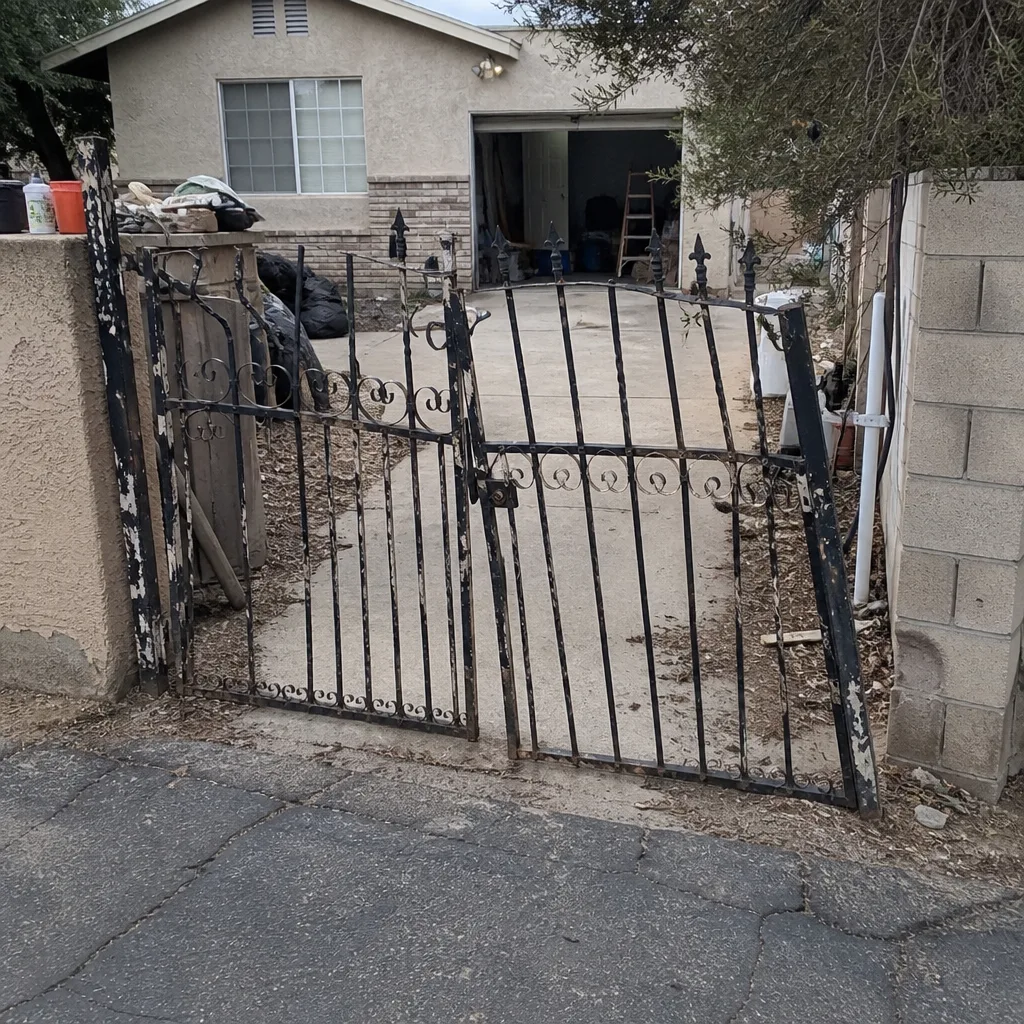
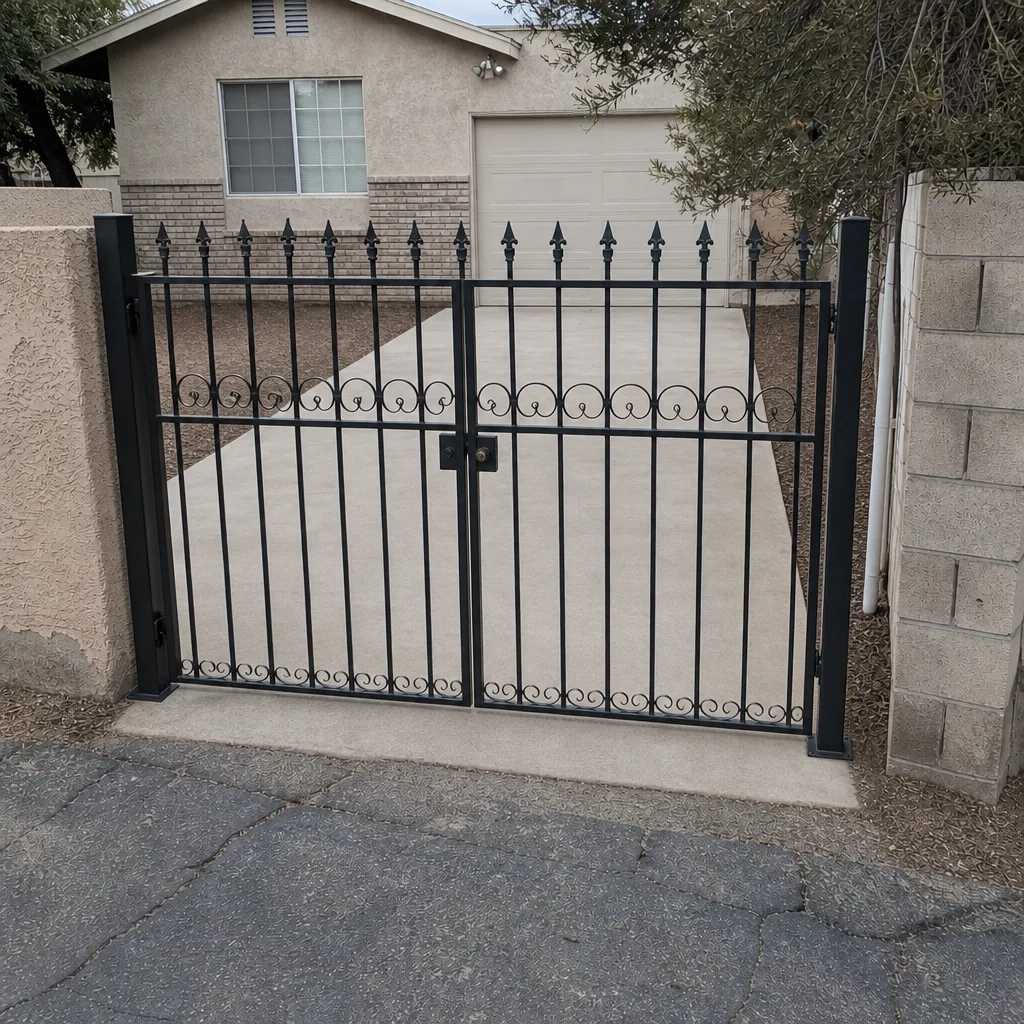
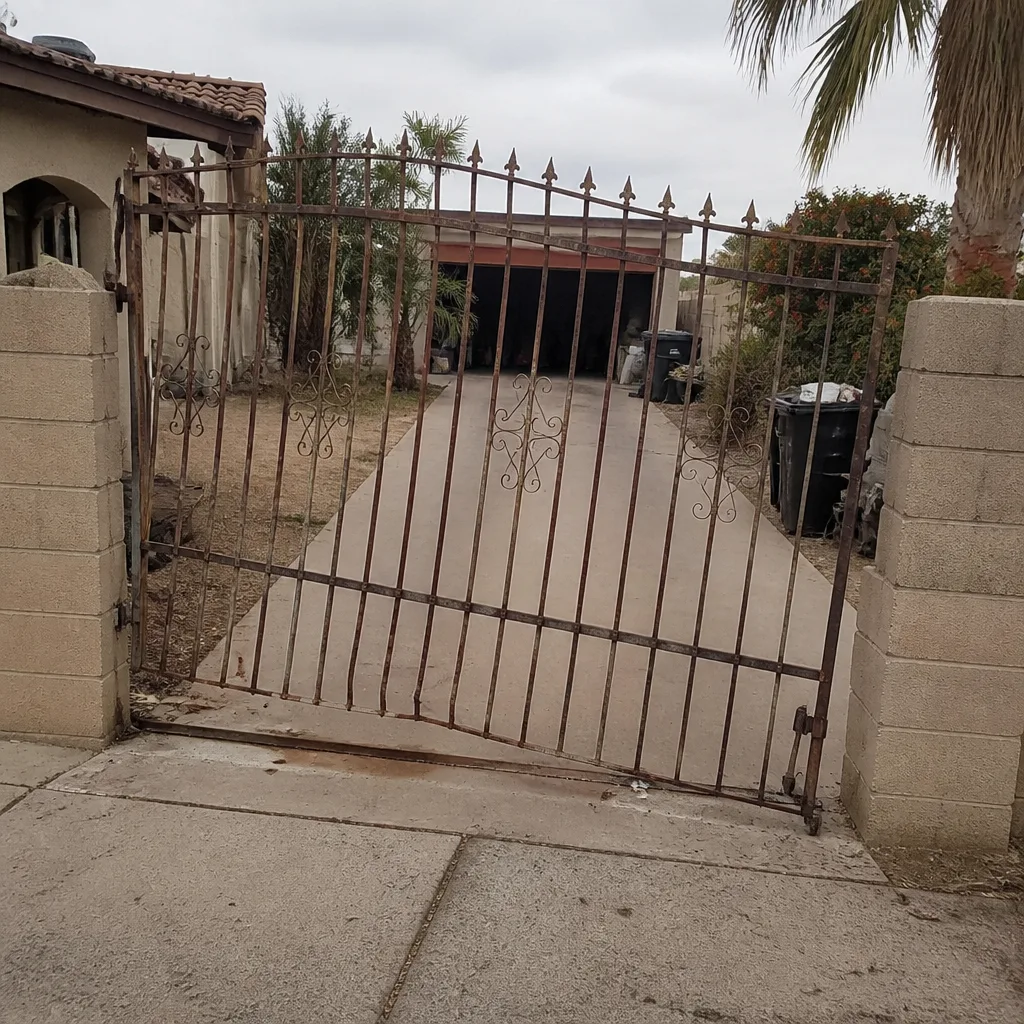
See the difference
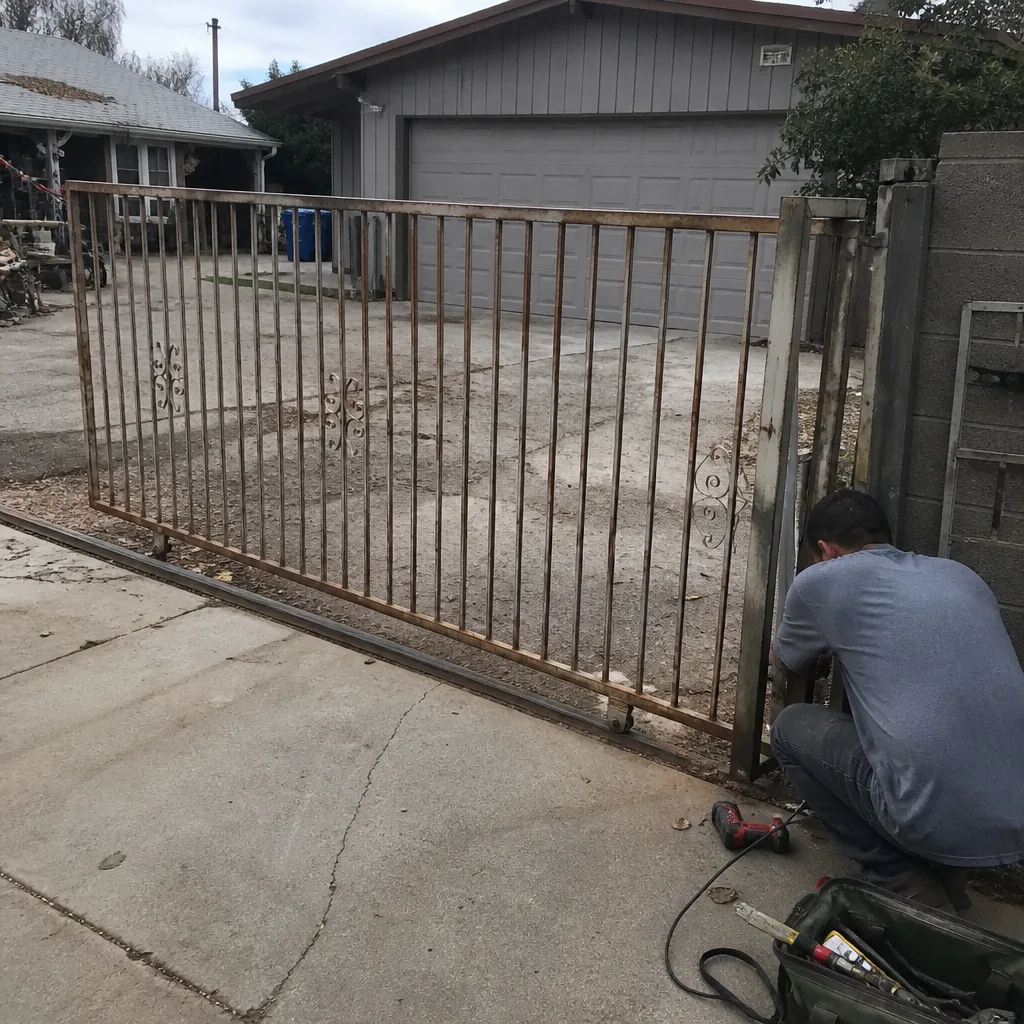 Before
 After
 Before
 After
 Before
 After
When to Call a Professional
Call us when the job involves the operator, the control board, the access control, the safety devices, or the wiring that feeds any of them. Those are the parts where a wrong guess about a permit and a wrong guess about the electrical side compound into a real problem. The cases that warrant a professional look: you’re buying or selling a home in Glendale and need to know whether the gate has a permitted paper trail; you’ve inherited a gate from a previous owner and no one can say where the circuit goes; an inspector flagged something on the gate and you’re not sure what they meant; the HOA rejected the design and the gate now needs to change; or you’re planning a new gate and want the electrical scope understood before anyone files. Our technicians have up to 12 years of experience, and we service LiftMaster, FAAC, BFT, Mighty Mule, and the other major brands so we can diagnose the system in front of us rather than guess at it. Gate Repair Glendale offers free estimates in Glendale. Call (855) 632-1674. We answer 24/7, with fast dispatch from 7am to 7pm, Sunday through Friday.
Frequently Asked Questions
Usually no, if the work is true repair: hinges, rollers, tracks, an operator reset on the existing circuit, or a remote. A permit is generally needed when the work adds a new electrical circuit, changes post footings or gate height, or installs a new operator system with new wiring. Call (855) 632-1674 for a free estimate and we’ll help you figure out which side of the line your job sits on before you contact the city.
It depends on the circuit, not the brand. Replacing a LiftMaster with a FAAC on the same wired circuit is typically treated as repair. Replacing it with an operator that needs a new dedicated circuit is generally treated as alteration and needs a permit. Call (855) 632-1674 and we’ll tell you what the actual scope is on your system.
It’s proof the permitted work was finalized and inspected by the city. Keep it with the permit and photographs, and include it in your disclosure packet when you sell. It’s the single document a buyer’s inspector is most likely to ask about. Call (855) 632-1674 for a free estimate if the certificate is missing and you need to work out the scope.
Yes, usually, but the process depends on scope. First pull the property’s permit history from the City of Glendale building department, then have the gate inspected physically before filing so you know whether corrections are needed. Submit a permit-after-the-fact application for the actual scope, complete any required corrections, and schedule the inspection. Call (855) 632-1674 for a free estimate and we’ll help you scope out what needs inspection before you file.
Usually yes, in planned communities. City permits and HOA architectural approval are separate requirements, and a fully permitted gate can still violate the community’s design rules on height, motor visibility, or materials. Submit the HOA architectural request before you pull a city permit. Call (855) 632-1674 for a free estimate; we can spec the gate for both approvals.
A permitted alteration or new installation is what triggers the inspection; routine repair doesn’t. The inspector checks the line-voltage circuit, operator mounting, and especially the safety devices (photo eyes and safety edges), which are the most common failure point. Call (855) 632-1674 for a free estimate and we’ll check the safety side before an inspector does.
The Bottom Line
The rule that matters most in Glendale is simple: repair usually goes unpermitted, alteration and new installation generally don’t. The two things that push a job across the line are new electrical work and structural changes to posts or gate height. Once you’re across it, the HOA layer adds a second approval in most planned communities, and that reveals itself as a problem only when you skip it. The paper that saves you later is the Certificate of Completion, because it turns a contractor’s word into a record a buyer can verify. Keep it, file it, and disclose it. If you’re not sure where your gate stands, get a free estimate before you call the city, at Gate Repair Glendale. Call (855) 632-1674. We answer 24/7. Fast dispatch from 7am to 7pm, Sunday through Friday.
Whether you’re sorting out a permit question, a repair, or a new installation, we’re here to help. The team at Gate Repair Glendale works across the major gate operator brands and diagnoses what’s actually on your gate before anyone recommends a change. If you’re in the area and want to talk through a project, see our guide to Glendale or reach out to start with Gate Repair Glendale. Call (855) 632-1674 for a free estimate. We answer 24/7. Fast dispatch from 7am to 7pm, Sunday through Friday.
Written by the team at Gate Repair Glendale.